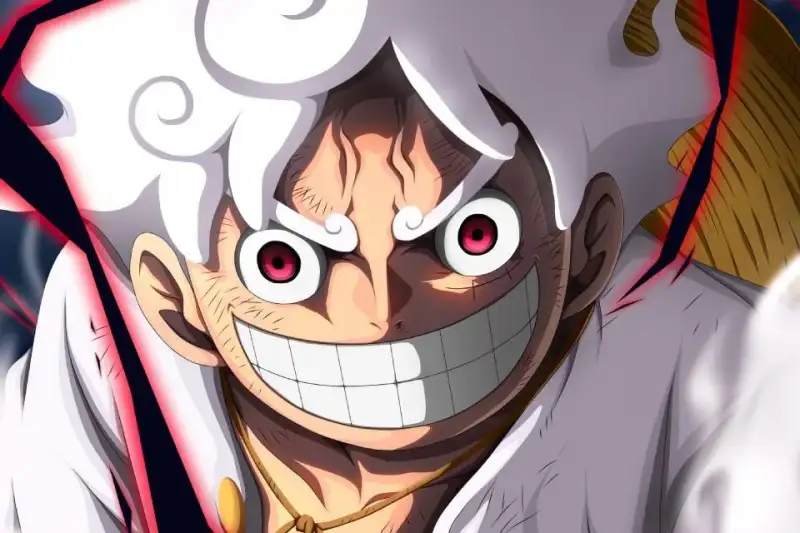
In the vast, interconnected ocean of digital media, two distinct and powerful currents have captivated millions worldwide: Japanese manga and Korean manhwa. These sequential art forms, each with its unique aesthetic, storytelling prowess, and cultural roots, have transcended their national borders to become global phenomena. Yet, for many years, a third, often controversial, force served as the primary bridge connecting these rich narratives to an eager international audience: scanlation. This comprehensive journey will navigate the intriguing landscapes of manga and manhwa, delve into the intricate world of scanlation, explore its profound impact on fandom and industry, and examine the ethical considerations that continue to shape its future.
Part 1: The Enduring Legacy of Manga – A Cultural Colossus
Manga, a term that broadly translates to "whimsical pictures," is more than just comics in Japan; it is a fundamental pillar of its cultural identity. Its origins can be traced back centuries to various forms of Japanese art, but the modern manga we recognize today began to take shape in the post-World War II era. Influenced by Western comics and traditional Japanese storytelling, artists like Osamu Tezuka ("God of Manga" for works like Astro Boy and Black Jack) revolutionized the medium, establishing many of the conventions still followed today.
What makes manga so compelling? Its incredible diversity. Unlike Western comics often pigeonholed by genre, manga encompasses every conceivable niche, catering to all demographics. We have:
- Shonen Manga: Aimed primarily at young male audiences, characterized by action, adventure, friendship, and self-improvement (e.g., One Piece, Dragon Ball, Naruto, My Hero Academia).
- Shojo Manga: Targeted at young female audiences, focusing on romance, drama, coming-of-age, and relationships (e.g., Sailor Moon, Fruits Basket, Cardcaptor Sakura).
- Seinen Manga: For adult men, often exploring darker, more complex themes, psychological depth, or specific niche interests (e.g., Berserk, Vinland Saga, Kingdom).
- Josei Manga: For adult women, offering realistic portrayals of relationships, careers, and everyday life (e.g., Chihayafuru, Princess Jellyfish).
- Kodomomuke Manga: For children, often educational or purely entertaining (e.g., Doraemon, Pokémon Adventures).
Manga's storytelling is renowned for its dynamic paneling, evocative character expressions, and a unique pacing that can immerse readers deeply into a narrative. Major publishers like Shueisha (Weekly Shonen Jump), Kodansha (Weekly Shonen Magazine), Shogakukan, and Akita Shoten have long dominated the domestic market, fostering a vibrant ecosystem of creators and titles. For decades, the only way for non-Japanese readers to access these stories was through licensed translations, a process that was often slow, selective, and limited to major markets. This left a vast ocean of untranslated gems, creating a demand that fan communities would soon fill.
Part 2: Manhwa's Meteoric Rise – The Full-Color, Vertical Scroll Revolution
While manga was solidifying its global status, a parallel revolution was brewing in South Korea. Manhwa, the Korean equivalent of comics, shares some historical roots with manga but evolved distinctly, particularly with the advent of the internet and mobile technology. The defining characteristic that sets modern manhwa apart is the "webtoon" format.
Unlike traditional print manga designed for horizontal page-turning, webtoons are optimized for vertical scrolling on smartphones and tablets. This format has profoundly influenced their aesthetic and storytelling:
- Full Color: The vast majority of webtoons are published in full color, offering a visually richer experience compared to manga's predominantly black-and-white pages.
- Vertical Scroll Pacing: Creators can manipulate the space between panels to control pacing, build suspense, or emphasize visual gags in ways traditional comics cannot. The infinite canvas allows for unique visual flow.
- Digital-First Creation: Webtoons are almost exclusively created digitally, often by individual artists or small teams, allowing for faster production cycles and direct interaction with readers through comment sections.
The rise of platforms like Naver Webtoon and KakaoPage in the early 2000s provided an accessible avenue for aspiring creators and a free-to-read model that quickly attracted a massive domestic audience. What began as a local phenomenon soon exploded globally. Titles like Solo Leveling, True Beauty, God of High School, Tower of God, and Lookism became household names, attracting millions of readers outside Korea. This success has led to numerous animated adaptations (often co-produced with Japanese studios), K-drama adaptations, and even Hollywood interest, showcasing manhwa's potent storytelling and visual appeal.
Manhwa's impact on the global sequential art landscape is undeniable. It introduced a new reading experience, democratized creation, and brought fresh perspectives and narratives, especially within genres like fantasy, romance, and action, often with unique Korean cultural nuances. But how did these stories, particularly from Korea, reach such a massive global audience so rapidly? This is where the scanlation phenomenon enters the picture.
Part 3: The Scanlation Phenomenon – Bridging Worlds Through Fan Dedication
Scanlation is the process by which a fan or a group of fans scans, cleans, translates, and typesets Japanese manga, Korean manhwa, Chinese manhua, or other foreign comics into another language, typically English, for free distribution online. It’s a labor of love, born out of a desire to share stories that might otherwise remain inaccessible due to language barriers, licensing restrictions, or slow official releases.
The roots of scanlation trace back to the early days of the internet, particularly in the late 1990s and early 2000s. Before digital distribution and global simultaneous releases became common, fans eager to read the latest chapters of their favorite series faced significant delays. A manga chapter might be released in Japan, and it could take months, or even years, for an official English translation to hit shelves, if it ever did. For many niche titles, official translations simply never materialized. This void created the perfect environment for scanlation to thrive.
The Intricate Process of Scanlation:
A typical scanlation project involves several dedicated roles:
- Raw Provider: Obtains the original Japanese or Korean comic, either by purchasing digital versions or physically scanning print copies.
- Cleaner/Redrawer: Digitally processes the raw scans. This involves removing the original text bubbles, cleaning up image artifacts, and redrawing any artwork that was obscured by text or needs restoration. This is often the most time-consuming and skilled part.
- Translator: Translates the dialogue, sound effects, and any other text from the original language into the target language. This requires not just linguistic proficiency but also cultural understanding to convey nuances accurately.
- Proofreader/Editor: Reviews the translated text for accuracy, grammar, spelling, and readability, ensuring it flows naturally in the target language.
- Typesetter: Inserts the translated and edited text back into the cleaned pages, carefully selecting fonts, sizes, and placements to match the original aesthetic and readability.
- Quality Checker (QC): Performs a final review of the typeset pages for any errors, ensuring consistency in fonts, text placement, and image quality.
- Distributor/Uploader: Shares the finished chapters on dedicated scanlation websites, forums, or torrents.
This entire process, often undertaken by volunteers in their spare time, is a testament to the immense passion of the fandom. Scanlators often operate under pseudonyms, forming close-knit online communities dedicated to bringing these stories to a wider audience. Their motivations are varied: personal enjoyment, a desire to share beloved series, a sense of community, or even to practice their language skills. Without scanlation, countless manga and manhwa titles would have remained obscure outside their countries of origin, never gaining the traction needed for official licensing.
Part 4: The Digital Frontier – Accessibility and the Shifting Landscape
The digital age has been a double-edged sword for both official publishers and scanlation groups. While it streamlined the distribution of unofficial content, it also paved the way for legitimate digital platforms to emerge, significantly altering the landscape of how fans access manga and manhwa.
Official Digital Platforms:
Today, there are numerous official ways to read manga and manhwa digitally:
- Manga: Services like Viz Media's Shonen Jump+, Crunchyroll Manga, Manga Plus (Shueisha's global service), and Kodansha's K Manga offer legal, often simultaneous, releases of new chapters. Many also provide vast back catalogs, often through subscription models or individual chapter purchases.
- Manhwa: Platforms like Webtoon (Naver's international service), Tapas, Lezhin Comics, Tappytoon, and Manta have become incredibly popular, offering a wide array of original and translated manhwa. Most operate on a "freemium" model, allowing some chapters to be read for free, with others unlocked through waiting, advertisements, or paid "coins."
The advantages of official platforms are clear: they directly support the creators and publishers, ensuring the industry's sustainability. They offer high-quality translations, often with localized cultural nuances, and provide a legal, reliable reading experience. Furthermore, many official platforms actively work to reduce the time gap between original release and international translation, directly addressing one of the core reasons for scanlation's existence.
The Continued Role of Scanlation:
Despite the growth of official channels, scanlation continues to thrive for several reasons:
- Wider Library: Official platforms, while expanding, still only license a fraction of the manga and manhwa titles produced. Scanlation fills this gap, making thousands of untranslated or niche series available.
- Immediate Access: For some popular series, scanlation groups can release chapters within hours of the Japanese/Korean raw release, often faster than official translations, which might still have a day or week delay.
- No Geo-Restrictions: Official platforms often face regional licensing issues, meaning a title available in one country might not be in another. Scanlation circumvents these borders.
- Cost: While many official platforms offer free chapters, others require subscriptions or microtransactions. Scanlation remains entirely free.
However, the downsides are equally significant: scanlation is illegal, infringing on copyright, and directly deprives creators of revenue. The quality can vary wildly, and sites hosting scanlations often feature intrusive ads, malware risks, and a less polished user experience.
Part 5: Fostering Global Communities and Fandom
Beyond simply translating and distributing content, scanlation played a pivotal role in building and nurturing the global communities that now celebrate manga and manhwa. Before the era of widespread official digital distribution, scanlation sites and their associated forums were the primary gathering points for international fans.
- Discussion Hubs: Scanlation comments sections, dedicated forums (like MangaUpdates' forums), and later, platforms like Reddit (r/manga, r/manhwa) and Discord servers, became vibrant spaces for discussion. Fans could analyze plot points, theorize about future developments, critique art styles, and share their passion with like-minded individuals across the globe.
- Expanding Horizons: By making a vast array of titles available, scanlation exposed readers to genres and styles they might never have encountered through limited official releases. This broadened tastes and diversified the fan base, leading to a deeper appreciation for the nuances of both Japanese and Korean storytelling.
- Fan Art and Derivative Works: The availability of scanlated chapters fueled a surge in fan art, fan fiction, and other derivative works. Artists were inspired by new styles, writers explored alternate universes, and the overall creative output of the fandom exploded, enriching the cultural impact of these series even further.
- From Passive Readers to Active Participants: Scanlation transformed many readers from passive consumers into active participants in a global cultural exchange. Some readers even joined scanlation groups, learning new skills and contributing directly to the spread of their favorite stories.
The sense of community forged through scanlation undoubtedly contributed to the global appeal of manga and manhwa. It proved that these art forms resonated deeply with international audiences, paving the way for publishers to invest more heavily in official localization efforts.
Part 6: Creators, Industry, and the Battle Against Piracy
For creators and publishers, scanlation presents a complex dilemma. On one hand, it’s undeniably piracy, depriving them of potential revenue and infringing on their intellectual property rights. This is especially damaging for smaller creators or those working on niche titles who rely heavily on sales to sustain their work.
On the other hand, scanlation has also acted as an incredibly effective, albeit unauthorized, global marketing tool. Many popular manga and manhwa series achieved their initial international buzz through scanlation, building a dedicated fanbase before official licensing even became a possibility. For some creators, the exposure gained from scanlation might have been instrumental in attracting publishers or securing adaptations.
The industry's response has evolved over time:
- Initial Disregard/Helplessness: In the early days, many publishers seemed unaware or felt powerless against online piracy, especially from foreign fan groups.
- Increased Legal Action: As scanlation grew and became more sophisticated, publishers began issuing DMCA takedown notices, pursuing legal action against prominent scanlation sites, and increasing their anti-piracy efforts.
- Faster Official Releases: Perhaps the most effective strategy has been to compete directly with scanlation. Publishers now actively pursue simultaneous digital releases in multiple languages, often within hours or a day of the original Japanese or Korean publication. Services like Manga Plus and Webtoon are prime examples of this "fast-track" localization.
- Expanding Licensing: Publishers are more aggressively licensing titles for international distribution, ensuring that more series are officially available, thus reducing the "need" for scanlation.
- Direct Creator Engagement: Some platforms and creators are experimenting with direct-to-fan models, further blurring the lines between traditional publishing and independent creation, which can also help combat piracy by offering legitimate, direct channels.
The challenge for the industry remains to satisfy the global demand for immediate access and a vast library of content while ensuring creators are fairly compensated and their rights protected. It's a delicate balance between leveraging fan passion and combating illegal activity.
Part 7: Navigating the Ethical Maze – A Call for Balance
The ethical debate surrounding scanlation is ongoing and multifaceted. For readers, the choice often comes down to accessibility versus supporting creators. Many fans argue that they turn to scanlation because official options are unavailable, too slow, or too expensive. They see it as a "try before you buy" mechanism, where if they enjoy a series via scanlation, they will then purchase the official volumes when they become available.
However, this argument doesn't negate the fact that scanlation is, at its core, a copyright infringement. Every illegal read is a potential lost sale or a reduction in the incentive for publishers to license and translate more titles. As the landscape shifts towards more accessible and timely official releases, the justification for scanlation becomes increasingly tenuous.
A responsible approach for fans involves:
- Prioritizing Official Sources: Whenever a legal, accessible, and timely option exists (e.g., Shonen Jump+, Webtoon, buying digital or physical volumes), fans should choose it to directly support the creators.
- Advocating for Licensing: If a beloved series is only available through scanlation, fans can voice their interest to official publishers, signaling demand for a licensed release.
- Understanding the Impact: Recognizing that while fan translation can introduce new works, unchecked piracy undermines the very industry that produces these stories.
The future likely involves a continued push for global, simultaneous, and affordable official releases, making it harder for scanlation to justify its existence on grounds of unavailability. However, there will always be niche titles, older works, or regions with poor official distribution where fan efforts might still play a role, albeit in a more ethically ambiguous space.
Part 8: The Future of Sequential Art and Fan Translation
The worlds of manga, manhwa, and fan translation are in constant flux, shaped by technological advancements, evolving business models, and changing reader habits. Looking ahead, several trends are likely to define their trajectory:
- AI-Powered Translation: The rapid advancements in artificial intelligence and machine learning, particularly in natural language processing, are already impacting translation. While human translators still offer superior nuance and cultural understanding, AI-assisted translation tools are becoming more sophisticated, potentially speeding up both official and unofficial translation processes. This could either augment human scanlators or, in the long run, reduce the barriers to entry for official publishers.
- New Monetization Models: Creators and platforms will continue to innovate with monetization. Beyond subscriptions and pay-per-chapter, we might see more direct crowdfunding, patronage models (like Patreon), or even NFT-based ownership for digital art and exclusive content, allowing fans to support creators directly and transparently.
- Continued Diversification: The success of webtoons has inspired creators worldwide, leading to a global proliferation of vertical-scroll comics. Expect to see more diverse voices, art styles, and storytelling formats emerging from different countries, further enriching the sequential art landscape.
- Interactive and Multimedia Experiences: With evolving digital capabilities, manga and manhwa might increasingly incorporate interactive elements, animation, sound effects, or even choose-your-own-adventure narratives, transforming the reading experience.
- The Evolving Role of Fan Translators: As official channels grow, dedicated fan translators might transition towards more niche projects, translating obscure older works, or even collaborating directly with independent creators to bring their stories to global audiences in a legitimate capacity. The passion for sharing stories will likely find new, ethical outlets.
The dynamic interplay between creative vision, technological innovation, and fan passion ensures that the world of sequential art will remain vibrant and ever-evolving. The journey from niche cultural products to global entertainment behemoths has been remarkable, and the role of both official efforts and, historically, fan-driven scanlation cannot be understated.
Conclusion: A Harmonious Future for Global Storytelling
The journey through the intricate ecosystems of manga, manhwa, and scanlation reveals a landscape shaped by creativity, cultural exchange, and an undeniable global hunger for compelling stories. Japanese manga, with its rich history and genre diversity, laid the groundwork for a global phenomenon. Korean manhwa, through its innovative webtoon format, propelled sequential art into the digital age, captivating new audiences with its vibrant colors and mobile-first design.
Scanlation, born out of fan passion and a desire to overcome geographical and linguistic barriers, served as a crucial, albeit controversial, catalyst in popularizing both manga and manhwa on the world stage. It fostered global communities, sparked countless discussions, and demonstrated the immense international appeal of these art forms.
As the industry matures, the challenge lies in striking a sustainable balance: harnessing the power of fan enthusiasm while ensuring creators are fairly compensated and their intellectual property respected. The future points towards a landscape dominated by fast, accessible, and legal digital platforms, but also one where the spirit of fan collaboration might find new, ethical avenues to contribute. Ultimately, whether through the pages of a beloved manga volume, the vibrant scrolls of a manhwa, or the dedicated efforts of a passionate translator, the power of storytelling continues to unite us, one panel, one chapter, one story at a time. It is our collective responsibility as readers to appreciate this artistry and support its continued flourishing responsibly.